Building AI Agents That Actually Work in Production
Lessons learned from deploying autonomous AI agents at scale — the good, the bad, and the unexpected.
Gaurav Talesara
AI Systems Engineer · Agentic Systems Architect
The Promise vs Reality
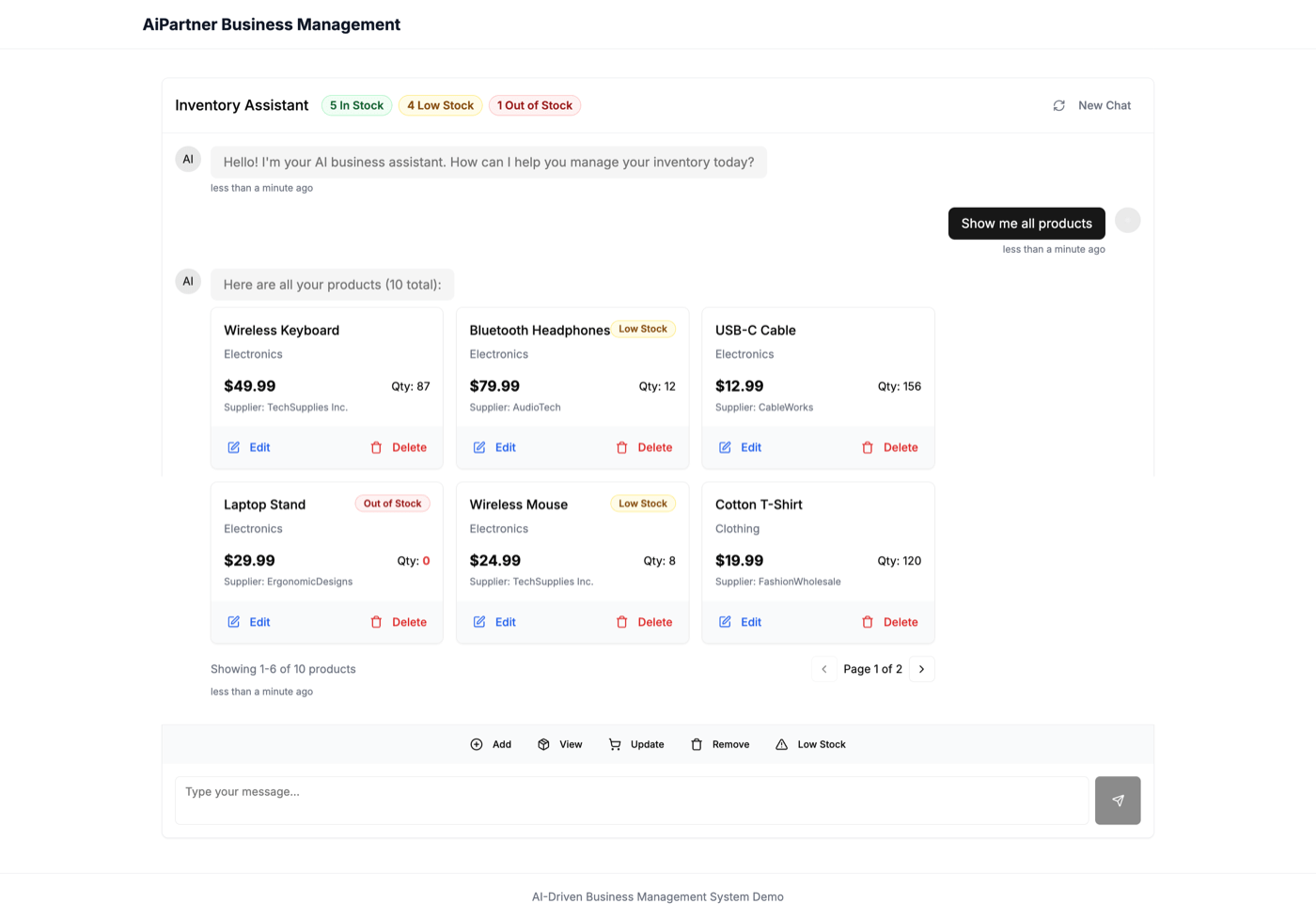
AI agents are having their moment. Every week, there's a new demo showing an agent autonomously completing complex tasks — booking flights, writing code, managing customer support. The demos are impressive. Production is different.
After deploying several AI agents in production environments, I've learned that the gap between "demo-ready" and "production-ready" is wider than most expect. Here's what actually matters.
Lesson 1: Reliability > Capability
Your agent might be able to handle edge cases brilliantly 70% of the time. That other 30%? It's going to fail spectacularly, at 3 AM, on your biggest customer's account.
In production, I prioritize: - Graceful degradation: When the agent can't handle something, escalate cleanly to humans - Confidence thresholds: Don't take actions below a certain confidence level - Rollback mechanisms: Every action should be reversible or at least recoverable
Lesson 2: Observability is Everything
You can't improve what you can't measure. For every agent I deploy, I track: - Decision paths and reasoning traces - Token usage and latency per step - Success/failure rates by action type - User feedback loops
This data is gold. It tells you exactly where your agent struggles and where to focus improvement efforts.
Lesson 3: Start Narrow, Then Expand
The most successful agent deployments I've seen started with a very narrow scope. Instead of "handle all customer support," start with "answer pricing questions." Nail that. Then expand.
This approach lets you: - Build confidence with stakeholders - Collect high-quality training data - Understand failure modes before they scale
Looking Forward
AI agents are genuinely useful. But they require engineering discipline — the same rigor we apply to any production system. Start small, measure everything, and build trust incrementally.
More from Insights